.png)
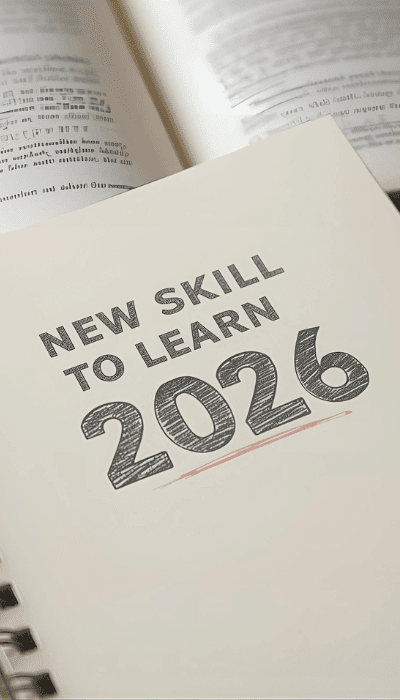
The start of a new year is a chance to reset and set new aspirations. Many people set resolutions but feel the pressure of big commitments. When goals become overwhelming, they can be abandoned. A more sustainable approach is to focus on smaller, achievable steps that contribute to a more rewarding year.
In your aviation career, choosing one skill to develop can support your long-term growth and strengthen your professional journey.
.png)
Key Takeaways
Focus on one skill at a time – Small, achievable steps in digital capability, decision-making, or communication build long-term growth.
Invest in yourself – Developing your skills boosts confidence, mindset, and career potential.
Stand out to employers – Ongoing self-development makes you more competitive and demonstrates value to hiring managers.
.png)
Why focus on self-development in 2026?
In aviation, many professionals share similar qualifications and experience. Distinguishing yourself can feel challenging. Ongoing skill development is one of the most effective ways to stand out to employers. It also provides a sense of progress, boosts confidence, and helps you stay engaged in your career.
Here are some skills to consider developing in 2026:
.png)
AI and digital capability
This refers to understanding and confidently using modern digital tools and AI-powered systems. In aviation, this could include maintenance tracking software, flight operations systems, predictive analytics, or automated scheduling tools.
Why it matters
The aviation industry is becoming increasingly tech-driven. Professionals who can work efficiently with digital tools and adapt to new technology are highly valued. They help streamline operations, improve safety, and support innovation.
How to develop it
Take online courses on data literacy, AI fundamentals, or aviation software systems.
Explore internal training programs offered by your employer.
Familiarise yourself with the digital tools used in your team and experiment with new ways to use them.
Stay informed on technology trends in aviation.
.png)
Decision-making
Decision-making is the ability to assess information, weigh risks, and make practical, timely choices, whether working independently or in a team.
Why it matters
In aviation, decisions often carry operational, safety, or commercial implications. Strong decision-makers help prevent delays, reduce risk, and improve efficiency. Employers value candidates who take responsibility and act with confidence.
How to develop it
Use structured approaches: weigh options, assess risks, and review outcomes.
Take the lead in smaller decisions to build confidence.
Reflect on past choices to see what worked and what could improve.
Ask colleagues or mentors how they approach complex decisions.
.png)
Critical thinking
Critical thinking involves analysing information objectively, identifying gaps, questioning assumptions, and reaching well-supported conclusions.
Why it matters
Aviation is fast-moving and highly regulated. Critical thinking helps solve technical, operational, and commercial problems more effectively. Candidates who think critically help their teams work smarter and safer.
How to develop it
Break problems into smaller parts instead of reacting immediately.
Ask clarifying questions when given new information.
Consider multiple viewpoints before making a decision.
Practise analysing case studies or real-world aviation scenarios.
.png)
Cross-functional collaboration
Collaboration across teams, departments, and locations is key. It requires clear communication, shared problem-solving, and understanding how different roles contribute to overall operations.
Why it matters
From maintenance and flight operations to commercial teams and ground support, aviation relies on seamless coordination. Professionals who collaborate effectively reduce miscommunication, improve efficiency, and support strong outcomes.
How to develop it
Learn how other teams operate and their priorities.
Keep colleagues and stakeholders informed during shared tasks.
Participate in cross-team meetings or projects.
Practise active listening and open communication.
.png)
Communication
Communication includes how you share information, present ideas, write reports or emails, and adapt your style to the audience. It also includes clarity, professionalism, and confidence
Why it matters
Clear communication supports safety, efficiency, and strong working relationships. Employers look for professionals who communicate thoughtfully with colleagues, clients, and partners.
How to develop it
Review written communication for clarity, structure, and tone.
Practise presenting or summarising information concisely.
Seek feedback on how your communication is received.
Observe effective communicators and learn from their approach.
.png)
Take action in 2026
Choosing one skill doesn’t need to be overwhelming. Focus on one at a time, start small, and celebrate progress. Every step brings you closer to standing out in a competitive aviation industry.
To make the most of your growth, take action today: update your CV, register as a Job Seeker with GOOSE Recruitment and set up a job alert for roles that match your ambitions.
Investing in your development goes beyond skills. It creates opportunities.